Perseus: A Beautiful Handwritten Font
There’s a quiet confidence in choosing the right font for a project. Whether it’s a blog header, a newsletter graphic, or a printable planner, the typeface sets the tone before a single word is read. Perseus, a lovely and beautiful handwritten font, has the potential to elevate creative projects with its expressive character and refined elegance.
The Visual Character of Perseus
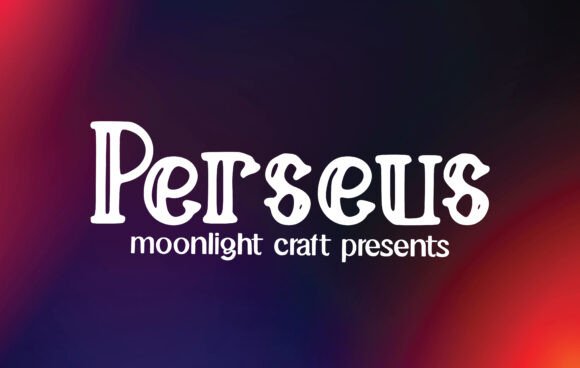
Perseus carries a warm, personal touch that feels both authentic and intentional. Its flowing strokes and subtle variations give it a natural, handcrafted quality that stands out in digital and print formats. The rhythm of the letters invites the eye to move smoothly across the page, making it ideal for editorial layouts where visual appeal meets readability.
Its personality is soft yet distinctive—perfect for branding that wants to feel approachable and artistic. The font’s mood leans toward creativity and emotion, making it an excellent choice for content that aims to connect on a human level.
Real-World Applications of Perseus
Imagine redesigning a lifestyle blog header. Perseus could transform the site’s identity, offering a fresh, inviting look that complements the content’s tone. For a recipe ebook, using Perseus as a title font adds a sense of warmth and craftsmanship that aligns with the culinary theme.
In a wedding guide, Perseus can be used for section headings or pull quotes, adding a touch of sophistication without overwhelming the reader. It also works well in coaching workbooks or printable planners, where its expressive style enhances the visual hierarchy and makes key information stand out.
Perseus in Editorial Layouts
When used in editorial design, Perseus excels as a display font. It shines in headlines, cover text, and decorative accents, bringing a sense of personality to the page. However, it’s not designed for long-form body copy. Its expressive nature may make dense paragraphs difficult to read, especially on smaller screens or in print.
For a digital magazine layout, Perseus can be paired with a clean sans serif font for body text, creating a balanced contrast that supports readability. This pairing allows the font to take center stage while maintaining clarity and structure throughout the publication.
Readability and Practical Considerations
Perseus performs well in larger sizes, such as headlines or pull quotes, where its details can be appreciated. On mobile devices, it maintains legibility when used in appropriate contexts, but it’s best avoided in small captions or dense blocks of text. For print materials, it adds a unique flair to covers, logos, or promotional graphics.
When considering file formats and licensing, it’s important to check what styles, alternates, and ligatures are included. These features can enhance the font’s versatility, especially when used in templates or client projects. Commercial use should always be verified to ensure compliance with licensing agreements.
Pairing Perseus with Other Fonts
Font pairing is essential for creating a cohesive design. Perseus pairs beautifully with a readable serif font for body text, offering a classic contrast that enhances readability. Alternatively, a modern sans serif can provide a clean, contemporary balance, making it suitable for web design or social media graphics.
For a more dynamic look, Perseus can be used alongside other script fonts in a layered design, adding depth and visual interest. However, it’s important to maintain clarity and avoid overcrowding the layout with too many competing elements.
Perseus for Content Branding
Perseus is a strong choice for content branding, especially for projects that want to convey creativity, authenticity, and emotional resonance. Its ability to support visual hierarchy makes it ideal for logos, brand identities, and content structures that require a distinct personality.
Whether it’s a course PDF, a downloadable worksheet, or a creator newsletter, Perseus adds a touch of individuality that helps content stand out. It’s particularly effective in projects that aim to build a connection with the audience through visual storytelling.