Thelolet: A Timeless Handwritten Font
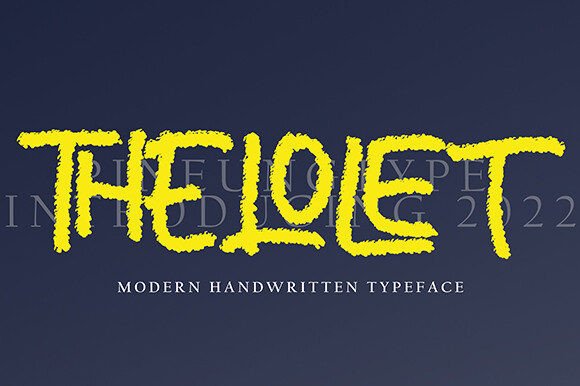
Thelolet is a beautifully crafted handwritten font that brings a personal and elegant touch to any design. As a script handwritten typeface, it offers a unique blend of warmth and sophistication, making it ideal for editorial projects that require a humanized aesthetic. Whether used in headlines, quotes, or branding elements, Thelolet adds a distinctive character that enhances visual storytelling.
Designed with care, each letter in Thelolet has its own personality, ensuring that every word feels intentional and expressive. This makes it an excellent choice for content creators looking to elevate their publication’s tone and style. From blog headers to magazine covers, Thelolet can transform ordinary text into something visually compelling.
Thelolet in Editorial Design
For publishers and editorial designers, Thelolet serves as a powerful tool for creating engaging layouts. Its flowing strokes and organic shapes make it perfect for headings, pull quotes, and section dividers. When used thoughtfully, it can guide the reader’s eye through the content while maintaining a cohesive visual identity.
In a lifestyle blog, for example, Thelolet can be used for article titles or featured quotes to add a sense of authenticity and charm. In a recipe ebook, it might appear in the title or chapter openers, offering a warm and inviting feel that complements the content. For a wedding guide, it can enhance the romantic and personalized tone of the publication.
When paired with a readable serif or sans serif font, Thelolet becomes even more versatile. A clean body font like Georgia or Open Sans can balance the elegance of Thelolet, ensuring that the overall design remains legible and professional. This font pairing is especially useful in newsletters, printable guides, and digital magazines where clarity is key.
Thelolet for Branding and Visual Identity
Thelolet is more than just a font—it’s a brand asset. Its handwritten quality lends itself well to logo design, packaging, and social media graphics, helping to create a consistent and memorable visual presence. For independent content brands, this font can be a signature element that sets their work apart from the competition.
Consider a coaching workbook or a digital magazine that uses Thelolet for its cover or header. The font’s fluidity and grace can evoke a sense of creativity and professionalism, reinforcing the brand’s message. It also works well for lead magnets and worksheets, where a personal touch can increase engagement and trust.
For printables and downloadable resources, Thelolet ensures that the design remains attractive across different formats. Whether printed on paper or viewed on a screen, the font maintains its readability and charm, making it a reliable choice for both web and physical media.
Practical Applications of Thelolet
Thelolet excels in display roles such as headlines, subheadings, and accent typography. It’s not typically recommended for long paragraphs of body text due to its intricate details, which may reduce readability on smaller screens or in low-resolution prints. However, when used in shorter bursts, it can significantly enhance the visual appeal of a layout.
In a printable planner, Thelolet might appear in daily affirmations or motivational quotes, adding a personal and uplifting vibe. For a creator newsletter, it could be used in subject lines or section headers to draw attention and create a sense of anticipation. In a digital magazine, it can serve as a recurring design element that reinforces the publication’s identity.
When working with Thelolet, it’s important to consider the context of use. For instance, in a recipe ebook, using it for the title and chapter headings can provide a soft, approachable feel, while relying on a more structured font for instructions ensures clarity and usability.
Font Pairing and Design Considerations
Effective font pairing is essential for achieving a balanced and professional look. Thelolet pairs well with serif fonts for body text, offering a contrast that improves readability without sacrificing style. It also works well with sans serif fonts for captions, navigation elements, and other secondary text.
Designers should also explore the full range of styles available in Thelolet. If the font includes alternates, ligatures, or multiple weights, these features can be used to add variation and depth to the design. Multilingual support is another important consideration, especially for publications targeting global audiences.
Readability is a key factor in any editorial project. When using Thelolet in digital formats, ensure that it scales well on different devices and screen sizes. For print, test the font at various sizes to confirm that it remains legible and visually appealing.
Commercial Use and Licensing
Thelolet is a premium font that comes with commercial licensing options, making it suitable for a wide range of publishing needs. Whether you’re creating an ebook, designing templates, or producing printables, the license allows for flexible use across different platforms and formats.
Content creators and publishers should always review the licensing terms to ensure compliance. This includes using Thelolet in paid newsletters, client projects, and digital downloads. Proper licensing not only protects the designer but also ensures that the font is used ethically and responsibly.
As a script handwritten font, Thelolet offers a unique blend of artistry and functionality. Its ability to enhance visual hierarchy, support brand identity, and engage readers makes it a valuable addition to any designer’s toolkit. Whether used in blogs, magazines, or digital publications, it brings a timeless elegance that elevates the overall design experience.