Use Voice Shaky for Web Design
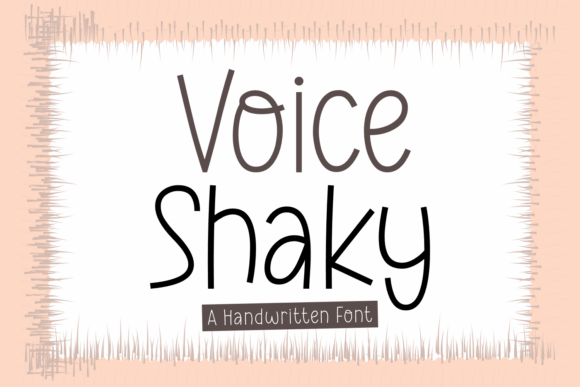
As a web designer, finding the right font can transform a layout from ordinary to unforgettable. Voice Shaky is a casual, handwritten script font that brings a playful and imperfect style to digital projects. Its wobbly lines and uneven strokes add a unique personality, making it ideal for creative websites, branding, and visual storytelling.
When used in headers, hero sections, or call-to-action areas, Voice Shaky stands out without overwhelming the design. Its irregularity creates a sense of authenticity, which resonates well with audiences looking for a more personal connection. This font works best for short phrases, logos, or decorative accents rather than long paragraphs of text.
Visual Hierarchy and Brand Tone
Effective visual hierarchy relies on contrast and clarity. Voice Shaky excels as a display font, drawing attention to key elements like headlines or buttons. Its quirky nature can help establish a brand’s tone—whether it’s whimsical, artistic, or approachable. For example, a boutique online store might use Voice Shaky for product titles or promotional banners to create a friendly, handcrafted feel.
However, it’s important to balance its uniqueness with readability. On mobile screens or small buttons, the font may become harder to scan. Pairing it with a clean sans serif or serif font for body copy ensures that the overall design remains legible and professional.
Applications in Digital Design
Whether you're designing a creative portfolio, a coaching website, or an e-commerce landing page, Voice Shaky adds a distinctive touch. It works well in social media graphics, blog headers, and digital ads where a humanized aesthetic is desired. For instance, a course sales page could use Voice Shaky for the main headline to evoke a sense of personal guidance and creativity.
In branded web content, this font helps maintain a consistent identity across different platforms. A digital brand kit might incorporate Voice Shaky for logo text or section headings, reinforcing a cohesive look while keeping the design engaging.
Readability and Responsive Layouts
While Voice Shaky is visually appealing, it requires careful consideration for optimal readability. On dark backgrounds or image overlays, the font’s irregular strokes may blend into the background, reducing legibility. Testing it at various sizes and contrasts ensures it remains effective in different contexts.
For responsive layouts, using Voice Shaky at larger sizes for headings and smaller sizes for supporting text helps maintain a clear structure. Avoid using it in body copy or on small screens where the imperfections could hinder reading speed.
Font Pairing and Design Assets
Pairing Voice Shaky with a complementary font enhances its impact. A simple sans serif like Roboto or Open Sans can serve as a reliable counterbalance, offering clarity and contrast. For editorial designs, pairing it with a serif font like Georgia or Playfair Display can create a more sophisticated and layered look.
When selecting a premium font like Voice Shaky, check for webfont availability, multiple weights, and multilingual support. These factors ensure the font works seamlessly across different platforms and languages, especially for global brands or international audiences.
Commercial Licensing and Usage
Understanding commercial font licensing is essential for web designers and digital creators. Voice Shaky should be used in compliance with its license terms, whether for personal projects, client work, or online stores. Always verify that the font allows for web embedding, app integration, or print use as needed.
For SaaS founders or online store owners, incorporating Voice Shaky into a brand’s design system can enhance user experience and differentiate the platform from competitors. It’s a valuable addition to any digital toolkit, especially when paired with thoughtful typography choices.
Ultimately, Voice Shaky offers a fresh and expressive option for web designers looking to infuse personality into their layouts. Its handwritten charm makes it a standout choice for creative projects, while its versatility ensures it fits within broader design systems. By using it strategically, you can elevate your digital presence and connect with users on a more emotional level.